What Are the Benefits of Advertising on Streaming TV Platforms?
Television advertising used to mean one thing: buying a commercial slot on a broadcast or cable network and hoping the right people were watching. That model is fading fast. Streaming has changed not just how people watch TV, but how brands can reach them — with sharper targeting, better measurement, and formats that feel less like an interruption and more like part of the experience.
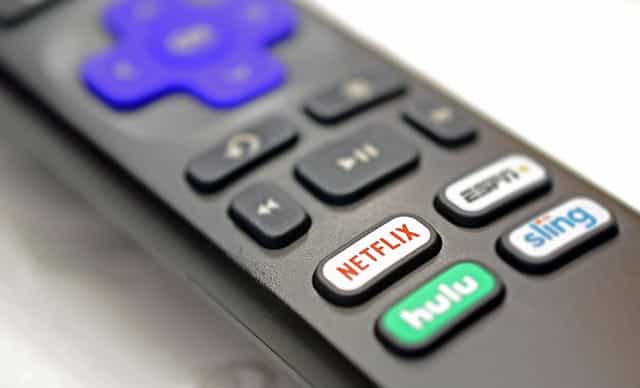
Streaming TV advertising, often called connected TV (CTV) advertising, refers to ads delivered through internet-connected devices — smart TVs, streaming sticks, gaming consoles — on platforms like Hulu, Netflix, Amazon Prime Video, and YouTube. Unlike traditional broadcast buys, these ads are served digitally, which opens the door to the kind of precision and accountability that TV advertisers have wanted for decades.
Below is a closer look at why so many brands, from global enterprises to local small businesses, are shifting ad dollars toward streaming TV platforms.
1. Precise Audience Targeting
The single biggest reason advertisers are moving budget from linear TV to streaming is targeting. Traditional TV buys are built around broad demographic guesses tied to a show’s expected audience. Streaming platforms flip that model: instead of buying a program and hoping the right viewers tune in, advertisers can target specific households and individuals based on behavioral, geographic, and interest-based data.
This isn’t a minor upgrade. Industry research cited by eMarketer has found that audience targeting capabilities are the primary reason marketing teams shift budgets from linear TV toward connected TV — ahead of cost savings or convenience. Platforms like Roku Ads Manager even allow advertisers to target down to the zip code level, which is a level of geographic precision broadcast TV simply cannot match.

For local businesses — car dealerships, healthcare providers, real estate agencies — this is a genuine shift. They can now reach a streaming audience that, in many markets, exceeds what’s available through traditional TV channels, while layering in the geo-targeting and audience segmentation that used to be exclusive to digital and social channels.
2. A Bigger, and Still Growing, Audience
Streaming isn’t a niche alternative to television anymore — for a large share of households, it is television. Ownership of internet-connected TV devices has become close to universal in the U.S., with more than 117 million American households owning at least one connected TV device as of 2025. That scale means advertisers on streaming platforms aren’t reaching a small slice of early adopters; they’re reaching the mainstream.
At the same time, linear TV’s reach is shrinking. In 2026, connected TV reportedly reaches roughly 15% more of the U.S. population than linear television does. That gap matters most for reaching younger viewers and cord-cutters — people under 35 who, in many cases, never developed traditional cable-watching habits in the first place. For brands trying to reach this demographic, streaming isn’t just an option; it’s often the only reliable way in.
3. Real, Trackable Measurement
Perhaps the most persistent complaint about traditional TV advertising has been the difficulty of proving it worked. Brand lift studies and rough demographic estimates were often the best advertisers could get. Streaming TV changes that equation substantially.
Because CTV ads are served digitally, campaigns can be measured at the household or device level, tying ad exposure much more directly to outcomes like website visits, app downloads, or purchases. New attribution tools are increasingly closing the loop between a streaming ad impression and a subsequent conversion — something long considered one of connected TV’s biggest historical limitations. This gives marketers the ability to optimize campaigns in near real time, shifting budget toward what’s actually working rather than waiting for a quarterly recap.
4. Premium, High-Attention Environments
Streaming TV ads generally run inside professionally produced, premium content — scripted series, films, live sports, prestige documentaries — rather than alongside user-generated content or cluttered web pages. That context matters. Viewers tend to associate advertising in premium programming with higher quality and pay more attention to it, which benefits the brands appearing there.
This attention advantage is being extended by newer, less intrusive ad formats. Pause ads — which appear when a viewer pauses their content — have been shown to drive meaningfully higher recall than standard commercial breaks. Rewarded ad formats, which offer viewers something in exchange for watching (like a stretch of ad-free viewing), are also gaining traction because they create a value exchange rather than a pure interruption. As overall ad loads on streaming platforms increase, these high-attention, lower-friction formats are becoming an increasingly important part of the pitch for streaming TV advertising.
5. Protection From “AI Slop” and Search Volatility
Digital advertisers have spent the past couple of years watching search and social channels get noisier. The rise of generative AI has led to “zero-click” search behavior and a flood of low-quality, AI-generated content across the web, creating real brand-safety concerns for advertisers who rely heavily on those channels.
Streaming TV is comparatively insulated from this problem. Ads run inside curated, produced content on established platforms, which limits the brand-safety risk associated with unpredictable, AI-generated environments. For advertisers looking for a channel where attention is high and the content environment is more controlled, streaming TV offers a meaningful contrast to the current volatility in search and social.
6. Flexible Budgets and Self-Serve Access
One of the myths about TV advertising is that it requires a massive budget and a dedicated agency relationship. That’s increasingly untrue for streaming. Self-serve platforms have lowered the barrier to entry considerably, letting small and mid-sized businesses launch and manage their own connected TV campaigns without the overhead traditionally associated with buying television time.
This democratization matters because it means CTV isn’t just a channel for national brands with seven-figure budgets. Local and regional advertisers can now test streaming campaigns, measure results, and scale spend based on actual performance — a level of flexibility that traditional TV buying rarely offered.
7. A Complement to (and Eventual Replacement for) Linear TV
Streaming TV advertising doesn’t necessarily mean abandoning traditional television entirely — at least not yet. Linear TV still delivers mass reach for major live events, particularly sports, where audiences remain large and appointment-based. Many advertisers are running hybrid strategies: using linear TV for broad-reach moments and streaming to extend that reach to the cord-cutters and younger viewers linear can no longer touch on its own.
But the long-term trajectory is clear. Nearly seven in ten advertisers plan to increase their CTV spend in the near term, and connected TV is projected to capture more than 40% of global TV ad investment by 2030. U.S. CTV ad spending crossed $30 billion in 2024, a 17% jump from the prior year, and is expected to exceed $40 billion by 2027. Roughly four in ten agency and marketing professionals report having already shifted budget from linear TV specifically into connected TV. Advertisers who build streaming TV expertise now are positioning themselves ahead of where the industry is clearly headed.
8. Consolidation Is Creating Bigger, More Efficient Buys
The streaming landscape itself is consolidating in ways that benefit advertisers looking for scale. Hulu, which already generates more advertising revenue than Disney+, is being folded into Disney+ in 2026, combining two of the largest ad-supported streaming audiences into a single, larger buying opportunity. Similar consolidation interest has emerged elsewhere in the industry, including reported acquisition interest in Warner Bros. Discovery’s HBO Max.
For advertisers, fewer, larger platforms with unified ad tech can mean simpler buying processes, better cross-platform measurement, and access to bigger combined audiences through a single relationship — all of which reduce the complexity that used to come with piecing together a streaming media plan across many fragmented apps.
9. Room for Creative Innovation
Because streaming ads are delivered digitally, they can support interactive elements that traditional TV commercials never could — clickable overlays, QR codes that lead to a purchase page, and shoppable formats that turn a moment of attention directly into a transaction opportunity. Contextual targeting also allows ads to feel more relevant to what’s actually being watched, rather than generic spots inserted into any available slot.
This creative flexibility, paired with retail media integration that’s deepening across the industry, means streaming TV ads increasingly function less like a one-way broadcast and more like an interactive extension of digital marketing — measurable, clickable, and tied to specific outcomes.
Getting Started With Streaming TV Advertising
For brands evaluating whether to shift budget into streaming, the case is compelling: a large and growing audience, targeting precision that traditional TV can’t match, measurable results, premium content environments, and increasingly accessible self-serve tools. The channel isn’t without its complexities — ad load, inventory quality, and platform fragmentation are all real considerations advertisers need to manage — but the fundamental trend is unmistakable. As linear TV viewership continues to erode and streaming platforms consolidate into fewer, larger ad-supported audiences, streaming TV advertising is quickly becoming not just an alternative to traditional TV, but the default way brands reach television audiences at all.
References
- Tatari. “What is CTV? Understanding Connected TV Advertising in 2026.” tatari.tv
- Streaming Media. “Beyond the Ad Pod: Where CTV Advertising Will Go in 2026.” streamingmedia.com
- Basis. “Streaming TV Advertising in 2026: What Every Advertiser Needs to Know.” basis.com
- Roku Advertising. “How Growth Marketers Will Use CTV in 2026.” advertising.roku.com
- XApads. “Benefits of CTV Advertising: Complete Guide for Advertisers 2026.” blog.xapads.com
- EMARKETER. “FAQ on CTV Advertising: Trends, Formats, and Platforms to Watch in 2026.” emarketer.com
Note: Several statistics in this article (e.g., CTV ad spend forecasts, household device ownership) are attributed by these sources to original research from eMarketer, Statista, and the Interactive Advertising Bureau (IAB)/Advertiser Perceptions. Consult those primary sources directly for full methodology.